← Back to Work

Surfshark

Mobile growth · ASO experimentation · Product communication

Designing app-store experiences around growth hypotheses

Ask ChatGPT about this projectOpens ChatGPT with a starter prompt

TL;DR
I owned the creative design behind Surfshark’s ASO experimentation, translating acquisition priorities, research inputs and previous learnings into testable messaging systems, screenshot sequences and production-ready directions.
Role
Graphic Designer — Mobile & Paid Media
Company
Surfshark
Status
Commercial work · Visuals reconstructed
Timeline
Nov 2023–Jan 2026

Context and ownership

From November 2023 to January 2026, I worked as a Graphic Designer for Mobile & Paid Media within Surfshark’s marketing design team. I was the primary designer for ASO, partnering directly with the channel owner to turn acquisition priorities, research inputs and previous learnings into creative hypotheses and testable app-store directions.

My responsibility covered message hierarchy, visual direction, screenshot sequencing and final execution, while the channel owner led the wider testing strategy and performance interpretation. The work sat at the intersection of mobile acquisition, product communication and growth experimentation.

The design problem

Surfshark’s app-store listing had to communicate value and build trust within seconds. But the product extended beyond a single VPN promise, so each screenshot sequence had to explain a broader privacy proposition without becoming a feature catalogue.

The same work also had to produce useful learning. Small variations were easier to compare but limited what we could learn; broader contrasts could reveal stronger communication territories, but made causality harder to isolate.

The design problem was balancing user clarity with experimental clarity.

Approach

I worked with three design principles.

01 — Win the first scan

Each direction needed one immediate takeaway: what the product does, why it matters, and why it feels trustworthy. That shaped screenshot order, headline hierarchy, UI prominence, and whether the story led with product evidence or user benefit.

02 — Treat the sequence as one story

I designed each gallery as a connected narrative rather than a set of standalone posters: capture attention, build understanding, then reinforce usefulness and trust. Copy, UI and visual hierarchy had to work across the full sequence.

03 — Vary enough to learn

Broader tests explored distinct communication territories; tighter iterations focused on variables like message angle, screenshot order, product prominence or trust framing. The goal was meaningful variation without losing brand coherence or measurement clarity.

From question to test

Each cycle started with a business or behavioural question, not a visual-style brief. Together with the ASO stakeholder, I translated acquisition priorities, research and previous learnings into a hypothesis, then shaped the message hierarchy, visual direction and full screenshot sequence for testing.

  1. Research + prior learnings
  2. Hypothesis
  3. Direction
  4. Launch
  5. Learning
  6. Iteration

Example: two communication systems

The comparison below reconstructs a broader direction test from my Surfshark work.

PORTFOLIO RECONSTRUCTION

Recreated communication directions — not original Surfshark campaign assets.

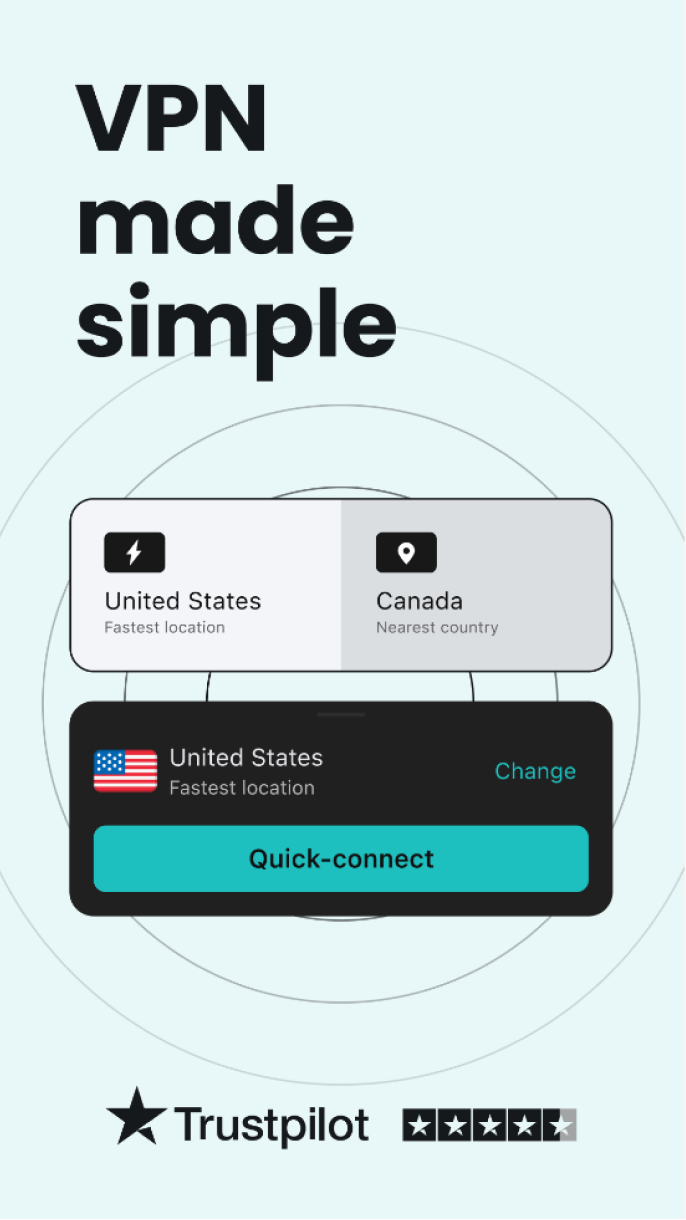
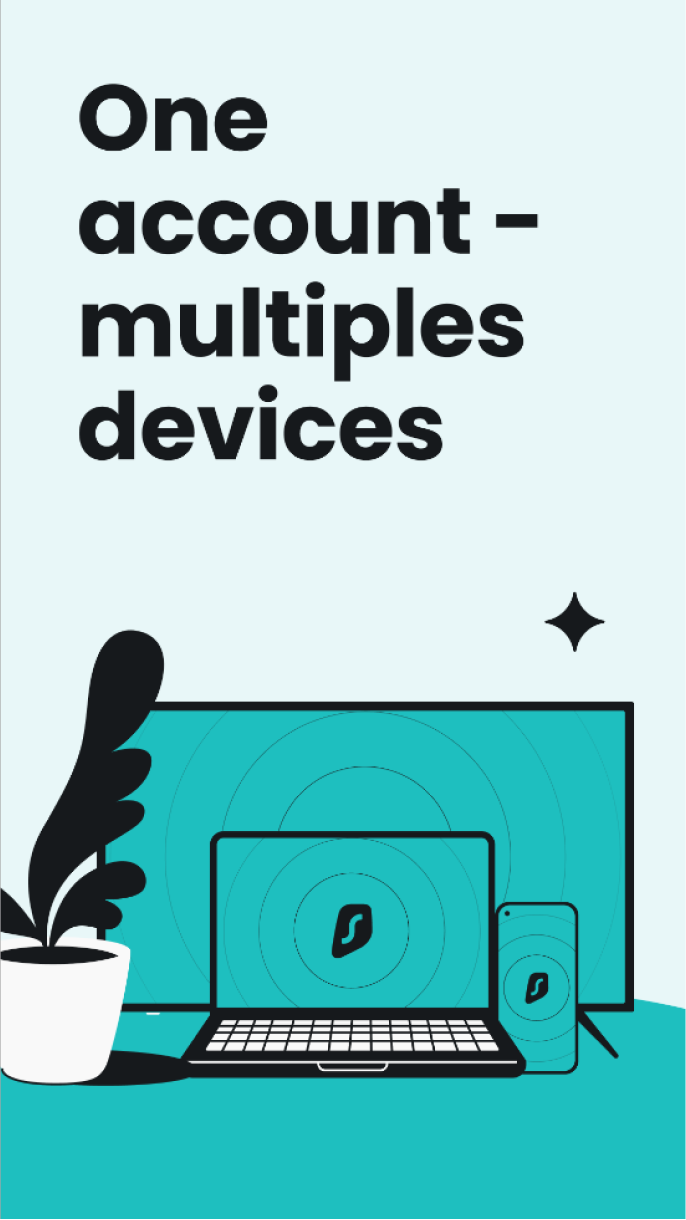
Direction A — Product-led clarity

Direct functional claims, consistent structure and prominent product evidence.

Reconstructed Surfshark ASO Direction A showing three product-led app-store screenshots with blue backgrounds, clear feature headlines, and prominent app interface evidence.

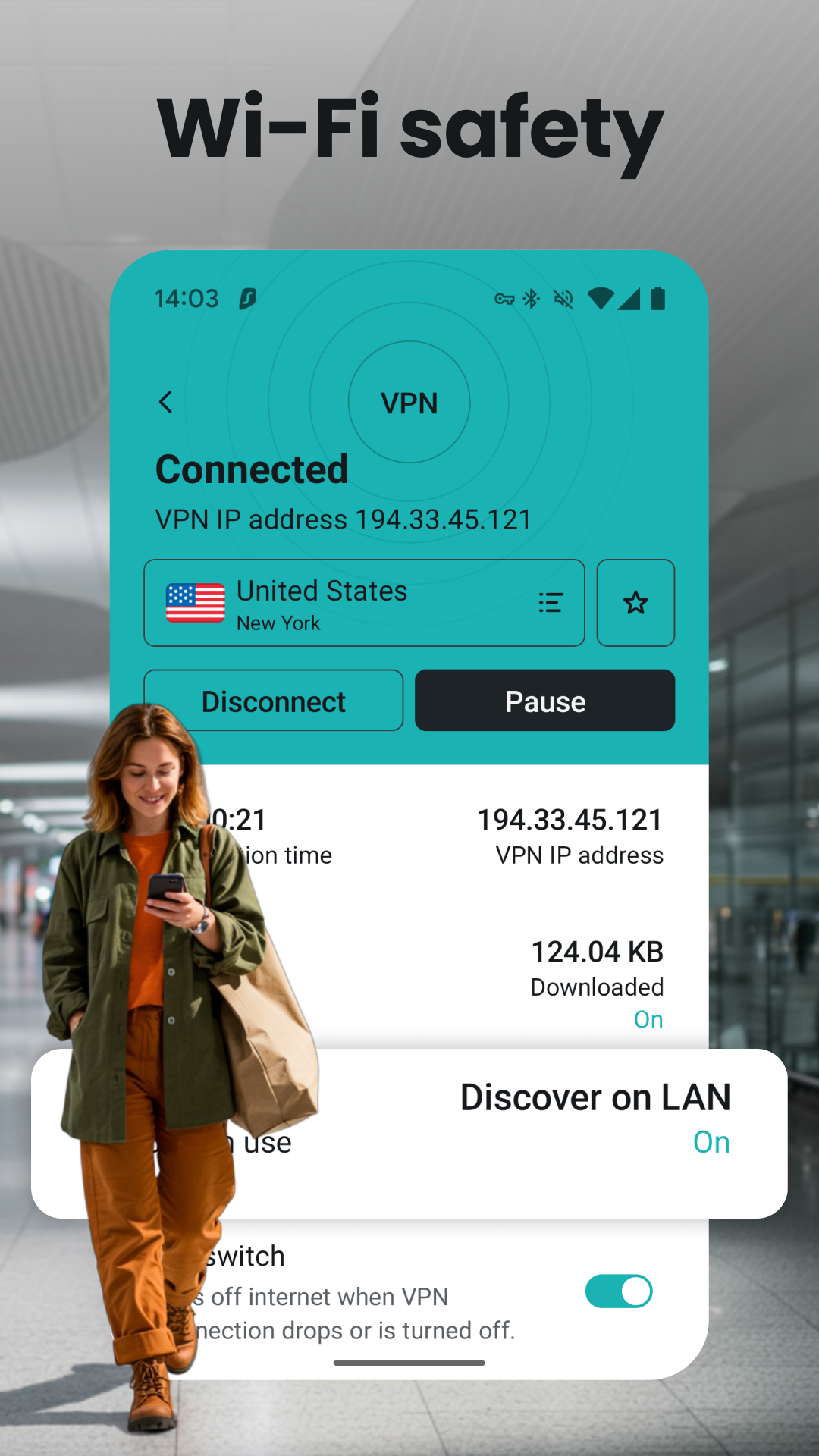
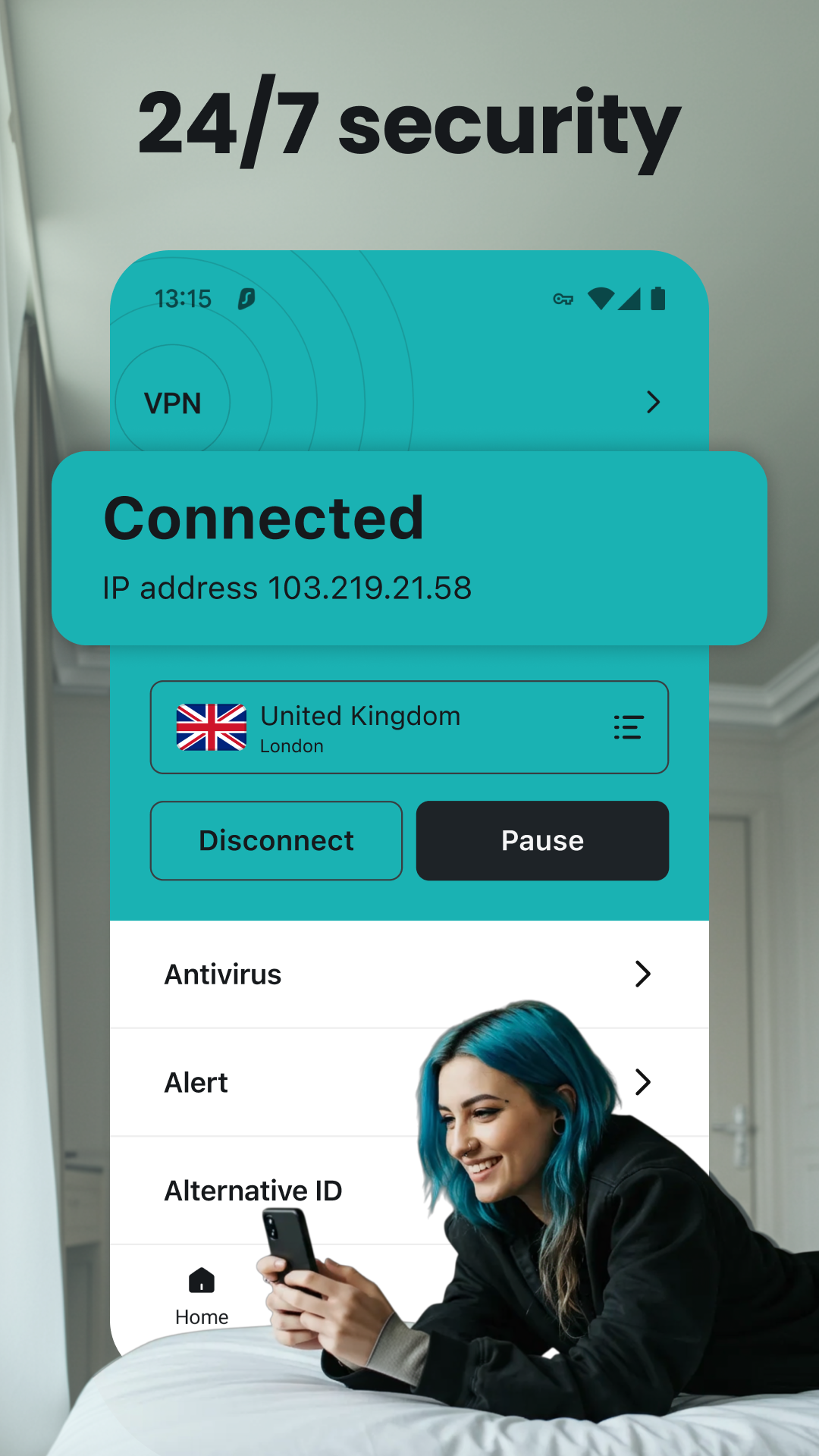
Direction B — Benefit-led context

Outcome-oriented messaging, human situations and selective product evidence.

Reconstructed Surfshark ASO Direction B showing three benefit-led app-store screenshots with lifestyle imagery, privacy benefit headlines, and contextual product UI cards.

Confidentiality

The comparison shown here was recreated from scratch for this portfolio. Product copy, UI, imagery and test details have been changed; exact test configuration, attribution, keyword strategy and internal analysis are omitted. No original Surfshark working files or unpublished assets are shown.

What the comparison tested

This was a broad direction test, comparing two communication systems rather than one isolated variable.

Direction A prioritised functional clarity and product evidence; Direction B prioritised user context and outcomes. The comparison could reveal a stronger communication territory, but not whether the effect came from copy, imagery, sequence, product prominence, or their combination.

Opening proposition
Product utility vs user outcome
Primary evidence
Interface & devices vs people & context
Message sequence
Feature progression vs situational benefits
Visual system
Controlled consistency vs varied lifestyle scenes

Moving design upstream

Over time, I moved closer to hypothesis formation rather than joining at execution. I began participating in user interviews, working more directly with acquisition stakeholders, and helping shape how product value and device UI were represented across tests.

The goal was simple: make design useful before the brief was fixed.

Impact

One ASO experiment using assets I designed was recognised internally as a meaningful growth result. My contribution covered the creative side of the test: message hierarchy, visual direction, screenshot sequencing, benefit framing and production-ready execution.

Exact performance figures, attribution and test configuration remain confidential.

Reflection

The hardest question wasn’t what a winning visual should look like, but what each test could genuinely teach us.

Broad contrasts helped uncover promising communication territories; narrower iterations helped isolate specific variables. The central tension was between creative range and measurement clarity.

I came to treat the app-store listing as both a product narrative and an experimental surface: every screenshot had to help the user decide while giving the team a clearer basis for the next iteration.

Next projectFaro